
AI Native Medhavi Newsletter ·
AI-Powered Google Finance Launch, Cursor in Teams, and Foundation Model Insights
A quick read on The new AI-powered Google Finance is expanding to Europe., Building Blocks for Foundation Model Training and Inference on AWS and the developer shifts behind them.
Top Stories
The GitHub Copilot CLI version 1.0.45 introduces several enhancements, including the new /autopilot command to toggle modes, a fallback to Windows PowerShell when PowerShell 7+ is unavailable, and alignment of OpenTelemetry output with GenAI semantic conventions. Furthermore, the update resolves a session resumption issue, ensuring users no longer face 'Session file is corrupted' errors. Performance improvements are notable, with the CLI starting faster on terminals that have limited OSC color query support, reducing startup time by approximately 1.5 seconds. Additionally, a new /fork command allows users to create a new independent session from the current one.
GitHub Copilot CLI Releases
In Q1 2026, ChatGPT experienced significant adoption growth, particularly among users over the age of 35, with a notable 60% increase in this demographic. Additionally, gender usage became more balanced, indicating that AI technology is reaching a wider audience. Overall, ChatGPT's adoption suggests a trend towards increased mainstream acceptance of AI tools in daily life.
OpenAI Blog

AWS teams up with Hugging Face to streamline AI model training and deployment with the new Trainer API, enabling faster training times and access to hundreds of pre-trained models.
Hugging Face Blog
Anthropic’s Claude Platform launches on AWS, providing seamless integration for users to tap into advanced AI services directly within their AWS environments.
AWS AI Blog
Cursor enhances team collaboration with its Microsoft Teams integration, allowing for task delegation and real-time context retrieval instantly.
Cursor Changelog
Models
Miro leverages Amazon Bedrock for its AI-powered BugManager, enhancing bug routing accuracy and drastically reducing resolution times from days to hours.
AWS AI Blog
Agents

Coder Agents offers a model-agnostic solution for running AI coding agents on self-hosted systems, ensuring security and control over development environments.
InfoQ AI/ML/Data Engineering News
The OpenClaw 2026.5.10-beta.5 update introduces several enhancements, including a non-blocking `plugin-inspector-advisory` artifact for CI that aids compatibility checks without hindering release processes. It also improves runtime detection for Fly Machines, expands editing capabilities for GPT Image 2 and Nano Banana 2, and adds diagnostics for model transport and code modes. Additionally, the update includes stricter TypeScript compiler checks and allows for increased session communication between agents, facilitating longer reply chains up to 20 pings while maintaining a default of 5.
OpenClaw Releases
Tools & Launches

NVIDIA's new Fleet Intelligence optimizes GPU management, tackling the complexities of diverse hardware configurations to enhance compute efficiency.
NVIDIA Technical Blog
Amazon Quick enhances data analysis capabilities with new tools that deliver instantaneous, AI-generated answers from enterprise datasets.
AWS AI Blog
Version 2.1.139 introduces numerous enhancements to Claude Code, including the new agent view for monitoring session status, command updates such as `/goal` for ongoing tasks, and `/scroll-speed` for tuning scroll speed. Additional features include navigation improvements in transcript view, plugin inventory details, and integration of error handling in user commands. The update also optimizes the environment variable for MCP stdio servers, ensuring smoother functionality across various commands. Overall, the release focuses on improving user experience and operational efficiency within the API.
Claude Code Changelog
The release of Semantic Kernel version 1.76.0 introduces several key enhancements and fixes, including improvements in CloudDrivePlugin path validation and new support for ImageContent in tool results. Additionally, the update addresses high-severity vulnerabilities by updating Kiota packages and Snappier to their latest versions. The release also features improvements in input validation for the OpenAPI plugin and adjustments to how function results are logged, ensuring higher quality and security.
Semantic Kernel Releases

GitHub released four updates for their Agentic Workflows tool between May 4 and May 7, 2026. The v0.72.1 release introduced a new 'gh aw lint' command for validating .lock.yml files, while v0.72.0 made inline sub-agents the default. Previous releases included fixes for the Claude engine stability, resolving two add/add conflicts during agent reruns. Overall, the updates focused on command enhancements, security improvements, and developer experience.
GitHub Agentic Workflows Blog
Worth Reading

Meta's collaboration with the Festival de Cannes showcases storytelling innovations, enhancing audience engagement with AI-driven features.
Meta AI Blog
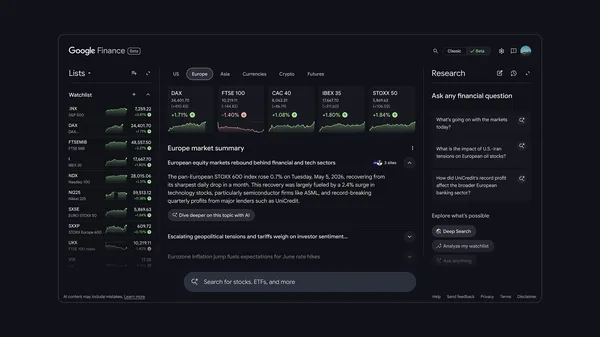
The new AI-powered Google Finance is launching across Europe, offering full local language support. This update brings a suite of capabilities designed to enhance user experience by providing personalized financial insights and news tailored to individual preferences. The expansion in Europe represents a significant milestone in Google's efforts to enhance financial tools with artificial intelligence. The new features aim to assist users in managing their finances more effectively, highlighting Google's commitment to integrating AI into everyday financial management.
Google AI Blog
The GitHub blog post, part of the 'GitHub for Beginners' series, provides a guide on how to contribute to open source software (OSS). It defines OSS as freely available software with an open source code and highlights that GitHub serves as the primary platform for these projects. The article offers practical advice, including how to use GitHub Copilot Chat to find suitable OSS projects in languages familiar to new contributors. It emphasizes the value of contributing to OSS for beginner developers as a way to engage with impactful projects.
GitHub Blog
Research Corner
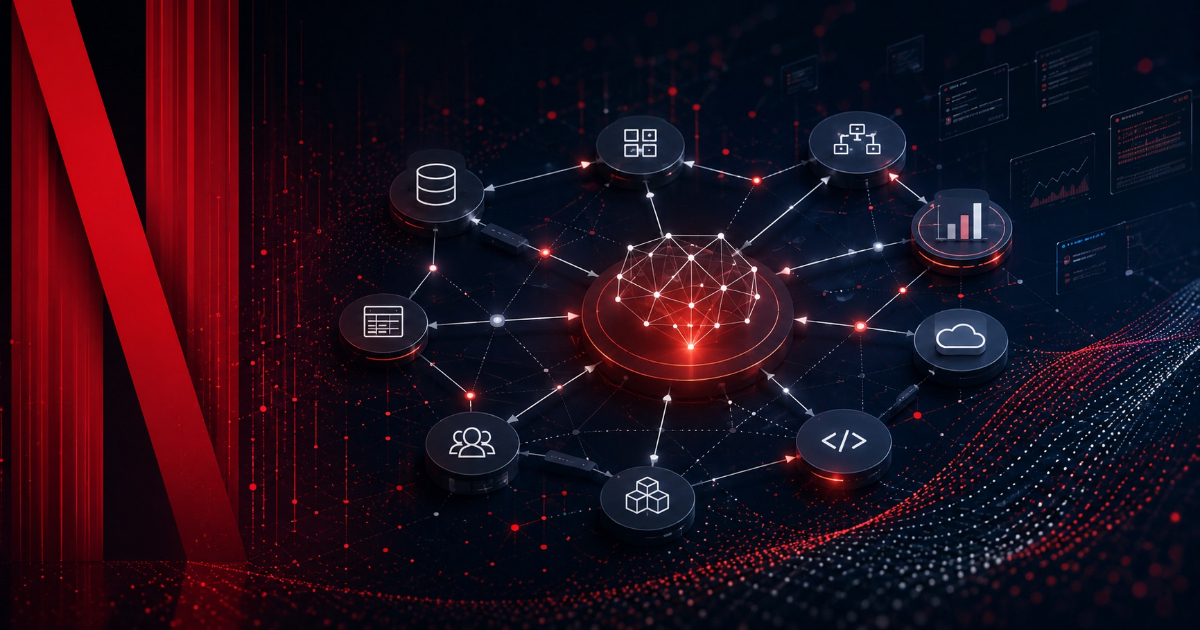
Netflix has introduced a new architecture called the Model Lifecycle Graph, designed to enhance the management of machine learning systems. This graph-based system maps the interconnections among datasets, models, features, and workflows, aiming to address challenges in scaling ML operations. The Model Lifecycle Graph improves discoverability and governance while facilitating component reuse, ultimately promoting a self-service environment for engineers and data scientists.
InfoQ AI/ML/Data Engineering News