
AI Native Medhavi Newsletter ·
Claude Fable 5, DeepSeek’s Token Battle, and Gemma 4’s Breakthroughs
Claude Fable 5 Gemma 4 Insights
Top News

Anthropic's Claude Fable 5 and Mythos 5 models enhance coding efficiency and task performance across industries.
Anthropic News

In May 2026, total AI Gateway tokens grew by 20% month-over-month, with total spending increasing by 43%. DeepSeek's share of tokens surged from under 1% to 17%, while Anthropic's share of spending rose from 61% to 65%, maintaining dominance in...
Vercel Blog

Google announced the release of the Gemma 4 12B model, which enables on-device, multimodal agentic workflows through an encoder-free architecture. This model can be integrated with Google AI Edge for local experimentation on standard laptops, facilitating capabilities such as autonomous...
InfoQ AI/ML/Data Engineering News

Claude AI model enhances app development on Apple platforms through the Foundation Models framework, improving overall productivity.
Claude Blog
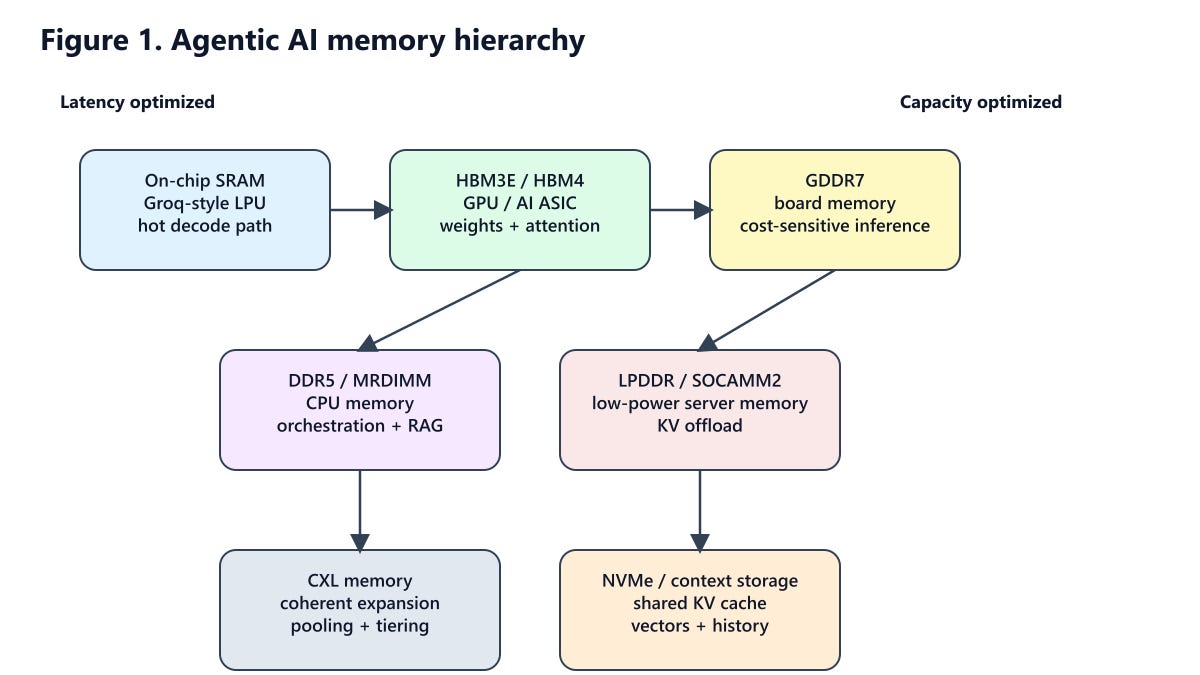
Agentic AI research highlights the evolution of memory technology as a critical factor in AI infrastructure, moving past older compute-centric discussions to focus on where model weights and data states are managed. It emphasizes the use of multi-tiered memory systems...
Agentic AI
Tools & Launches
The Cline CLI v3.0.23 features critical updates like fixes for Vertex AI settings and OAuth management centralized in the SDK.
Cline Changelog
Amazon Bedrock AgentCore introduces a dedicated environment for coding agents, featuring isolated Linux microVMs with persistent workspaces and deterministic command execution. The system includes an Identity layer that allows agents to act on behalf of users, a unified Model Context...
AWS AI Blog

In the latest GitHub Agentic Workflows build, Effective Tokens (ET) have been replaced by AI Credits (AIC) as the primary spending metric. AI Credits are now the default cost metric reported in outputs, aligning spend tracking directly to monetary costs...
GitHub Agentic Workflows Blog
Models

Claude Fable 5 shows a 25% increase in response relevance over Fable 4, featuring better context handling across longer conversations.
Simon Willison

Cohere's North Mini Code model offers reduced latency and higher accuracy for code generation tasks, supporting various programming languages.
Hugging Face Blog
The article discusses the release of version 0.32a3 of an unspecified LLM, detailing new features and improvements made since the previous version. It highlights a reduction in model size by 15% while maintaining performance benchmarks across multiple standard datasets. The...
Simon Willison

The Claude Fable 5 model, the first in the Mythos class and officially launched by Anthropic, aims to enhance performance in various AI applications with key features such as token-intensive design and safety classifiers. The review discusses the model's potential...
Lenny's Newsletter

The article discusses the OpenEnv framework, which has received backing from the open source community for its potential in agentic reinforcement learning (RL). OpenEnv aims to simplify the development of autonomous agents by providing a comprehensive environment for testing and...
Hugging Face Blog
Agents

NVIDIA's new framework integrates agent skills for evaluating clinical ASR models, enhancing understanding of medical terminology.
NVIDIA Technical Blog

The Microsoft Agent Framework (MAF) provides developers with building blocks to create advanced agentic applications that integrate large language models, tools, and orchestration. It is organized around three core concepts: agent loops for execution patterns, structured workflows for multi-agent processes...
Microsoft Agent Framework Blog
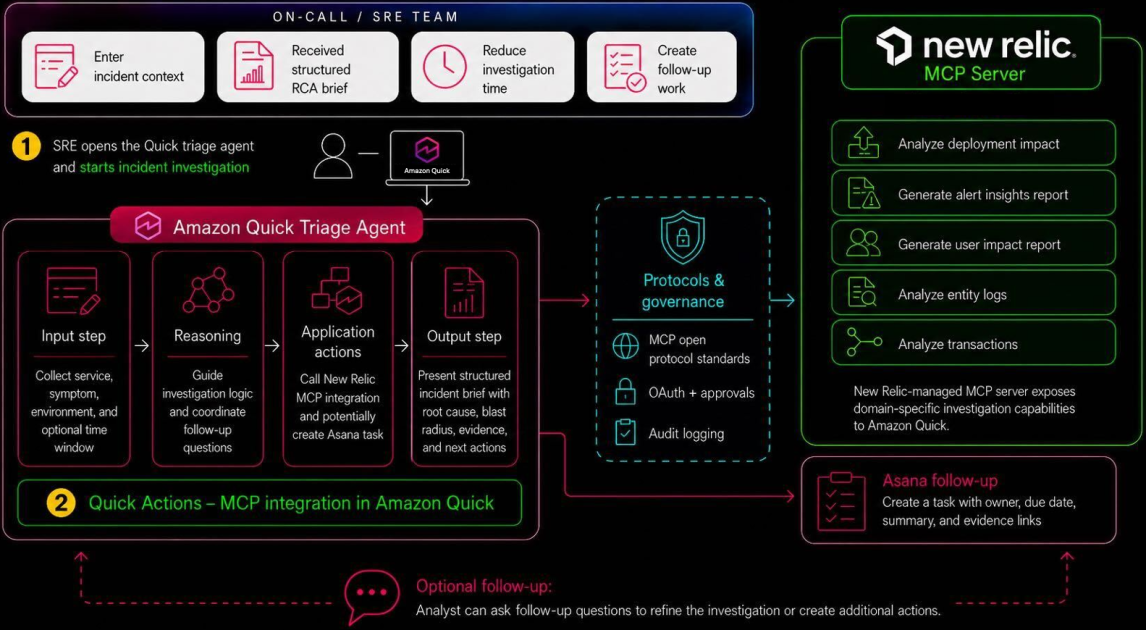
The article outlines the development of a custom incident triage assistant using Amazon Quick and New Relic, which helps site reliability engineers (SREs) coordinate investigations through integrated tools. This assistant significantly reduced the evidence-gathering phase of incident triage, leading to...
AWS AI Blog

The article explores how an AI agent utilized two Hugging Face Spaces to create a 3D gallery of Paris landmarks. The process involved chaining together two distinct AI models, one for generating artwork and another for rendering it into a...
Hugging Face Blog

Microsoft has announced the general availability (GA) of Microsoft Discovery, a platform on Azure designed for deploying autonomous AI agent teams specifically in scientific research and development. This platform played a crucial role in the creation of the Majorana 2...
InfoQ AI/ML/Data Engineering News
The article from Anthropic Research discusses their efforts in developing agents for biological applications, emphasizing the impact these agents could have on biological research and applications. A specific focus is placed on the adaptability of these agents in various biological...
Anthropic Research
Worth Reading
The reliance on AI like Claude Fable raises concerns about dependency; awareness in development workflows is vital.
Simon Willison
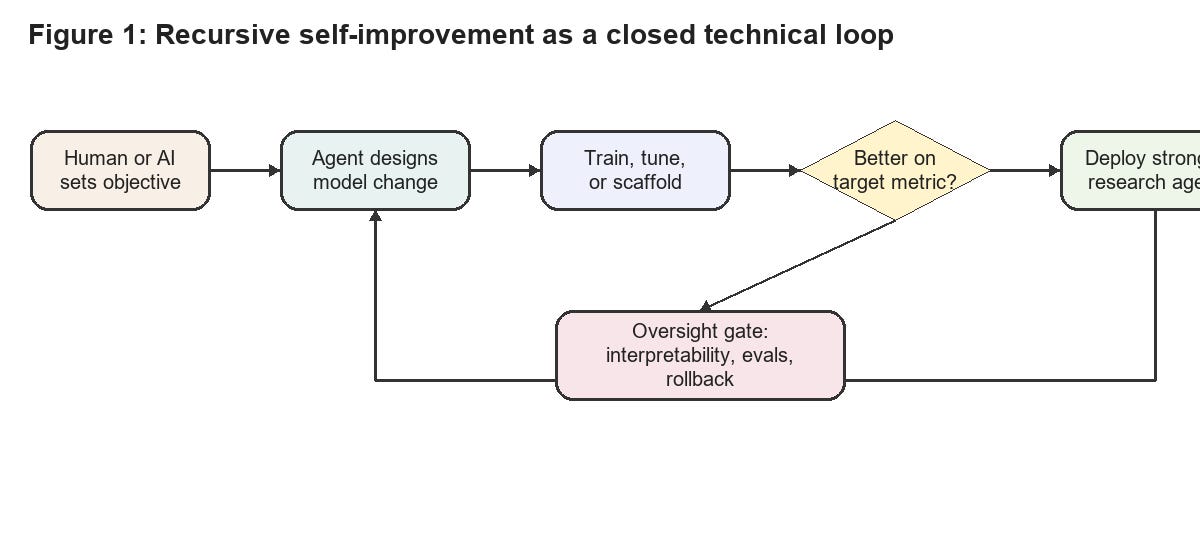
Anthropic's latest analysis on Recursive Self-Improvement (RSI) showcases its engineering potential for AI systems to enhance their own development cycles. The usability of AI tools has reportedly increased, with Claude-authored code rising from low single digits before the Claude Code's...
Agentic AI

The shift to token-based billing for AI models, notably GitHub's Copilot and Anthropic's APIs, has raised costs for developers, with expenses projected to surge drastically. In a case study, Tessl switched its default solver from Claude Sonnet 4.6 to the...
Tessl Blog
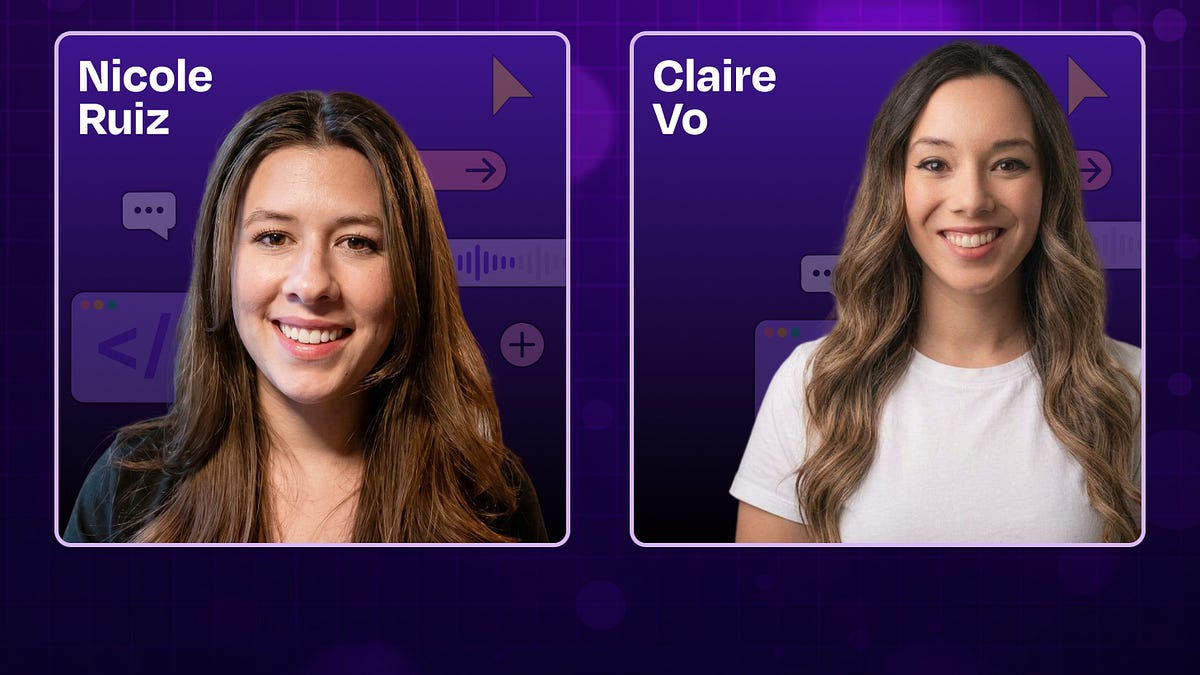
In a recent episode of Lenny's Newsletter, Claire demonstrates how to use Google Flow and Gemini Omni to create an AI avatar and generate a complete one-minute hype video in just 15 minutes. The process includes scanning her face, generating...
Lenny's Newsletter

Anthropic's latest report reveals that Claude Code was weaponized in a state-sponsored espionage campaign (GTG-1002) involving 832 banned accounts linked to malicious cyber activity. By integrating open-source penetration tools into Claude Code, the AI autonomously conducted reconnaissance, exploited vulnerabilities, and...
Tessl Blog
In the latest update, Notion has integrated OpenAI's Codex to enhance its platform, allowing users to generate specifications in one go and implement AI Voice Input for the web. This integration aims to significantly increase productivity by enabling engineering teams...
OpenAI Blog
The article provides a comprehensive overview of how large language models (LLMs) function, detailing their architecture and training processes. It explains that LLMs are based on transformer architectures and typically trained on vast datasets consisting of billions of tokens. Specific...
HN: AI Coding