The article discusses enhancements to the OpenClaw framework, which offers AI developers new capabilities and optimizations for building applications. These improvements are crucial for advancing productivity and efficiency in AI workflows.
AI development tools, research, and industry news — clustered and ranked by importance.
The article discusses enhancements to the OpenClaw framework, which offers AI developers new capabilities and optimizations for building applications. These improvements are crucial for advancing productivity and efficiency in AI workflows.
The v1.3.34 release of the VSCode-based tool introduces essential updates aimed at improving security, user experience, and compatibility with new AI features. Notably, the addition of Tensorix as an LLM provider enhances the tool's capabilities for AI developers.
The release of Visual Studio Code 1.114 introduces new features that enhance the development experience, particularly for AI developers looking to integrate advanced coding tools into their workflows. This update may streamline the use of AI-assisted development functionalities, potentially improving productivity and efficiency.
The article discusses how AI was used to rapidly rewrite JSONata, resulting in significant cost savings of $500k per year. This demonstrates the potential of AI-driven development tools to enhance productivity and reduce operational expenses for software projects.
The release of version 1.12.0a1 introduces significant new features for AI developers, including enhanced documentation capabilities and support for modern Arabic translations. With new OpenAI-compatible providers and agent skills, this update aims to improve integration and usability, making it crucial for developers working in AI-driven applications.
The introduction of Implicit Turn-wise Policy Optimization (ITPO) offers a significant advancement in optimizing multi-turn human-AI interactions, addressing challenges posed by the sparsity of rewards and user response variability. This method enhances the training stability and performance of reinforcement learning models used in applications such as tutoring and recommendation systems.
The release of v1.0.64 introduces significant new features and enhancements to the continuing development platform, including integration with AI SDKs and improvements to CLI tools, which can greatly benefit developers working with AI agents. These updates reflect a focus on enhancing user experience and streamlining workflows in AI application development.
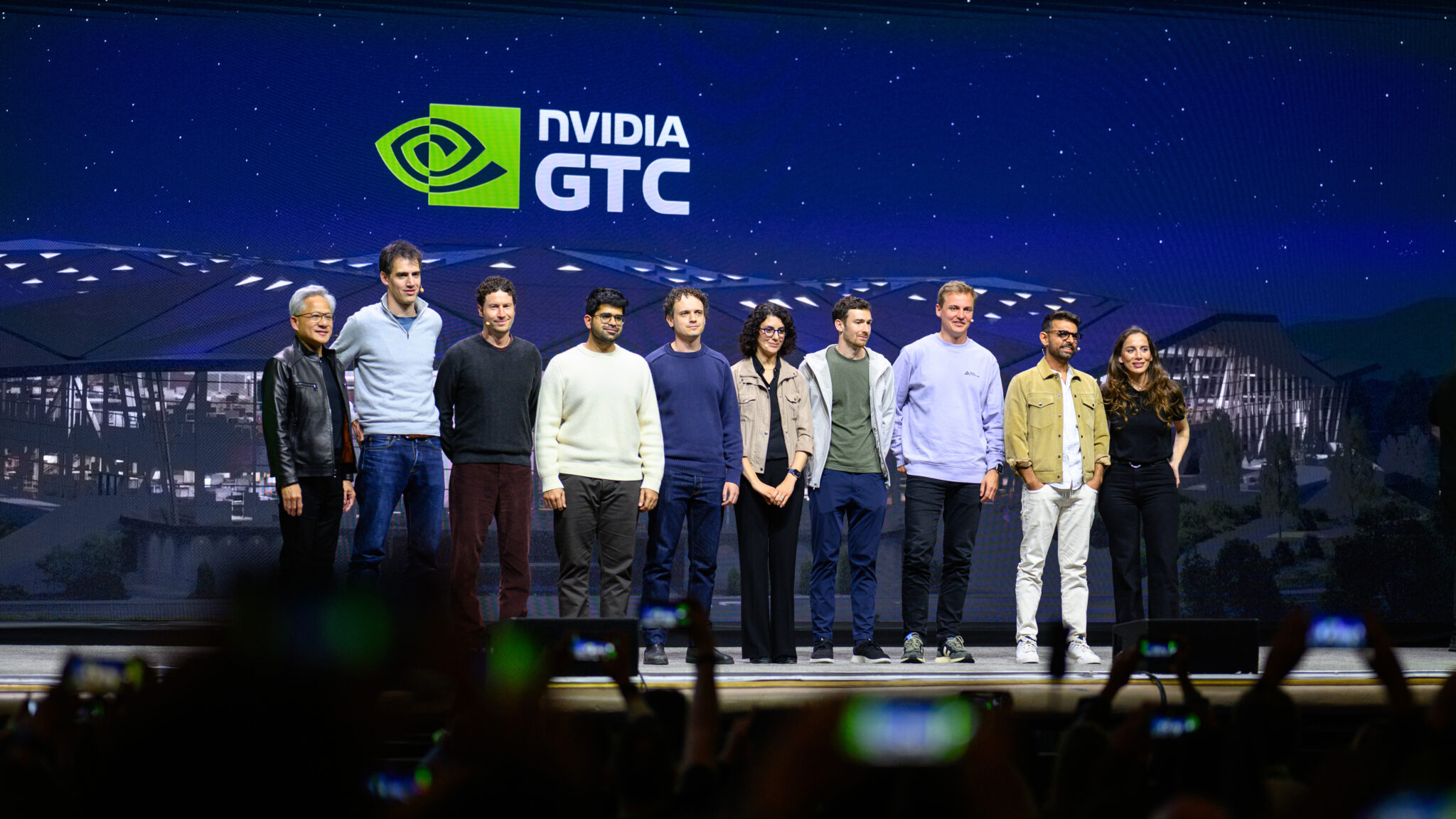
The article discusses the evolving landscape of AI, emphasizing the importance of both open and proprietary models in driving innovation across various industries. NVIDIA's initiatives, including the formation of the Nemotron Coalition, represent a pivotal collaboration aimed at developing advanced AI models that cater to specific business challenges and support a scalable ecosystem for developers.

The research paper highlights the critical role of governance structures in Open Source Software (OSS) projects, which directly impacts contributor roles and decision-making processes. For AI developers, understanding these governance dynamics is essential for cultivating healthier, more sustainable communities within AI open-source projects.
This research introduces FLINT, an innovative patch validation system framework designed to enhance the efficiency of patch reviews in the Linux kernel development process. By leveraging insights from past discussions among developers and utilizing a large language model (LLM), FLINT establishes a more reliable validation method for identifying bugs and improving maintainability, which is essential as the volume of patch submissions continues to rise.